The Influence of Referee Appointments on Over 2.5 Goals in Football Matches
Written by Riley Griffin · Aug 23, 2026
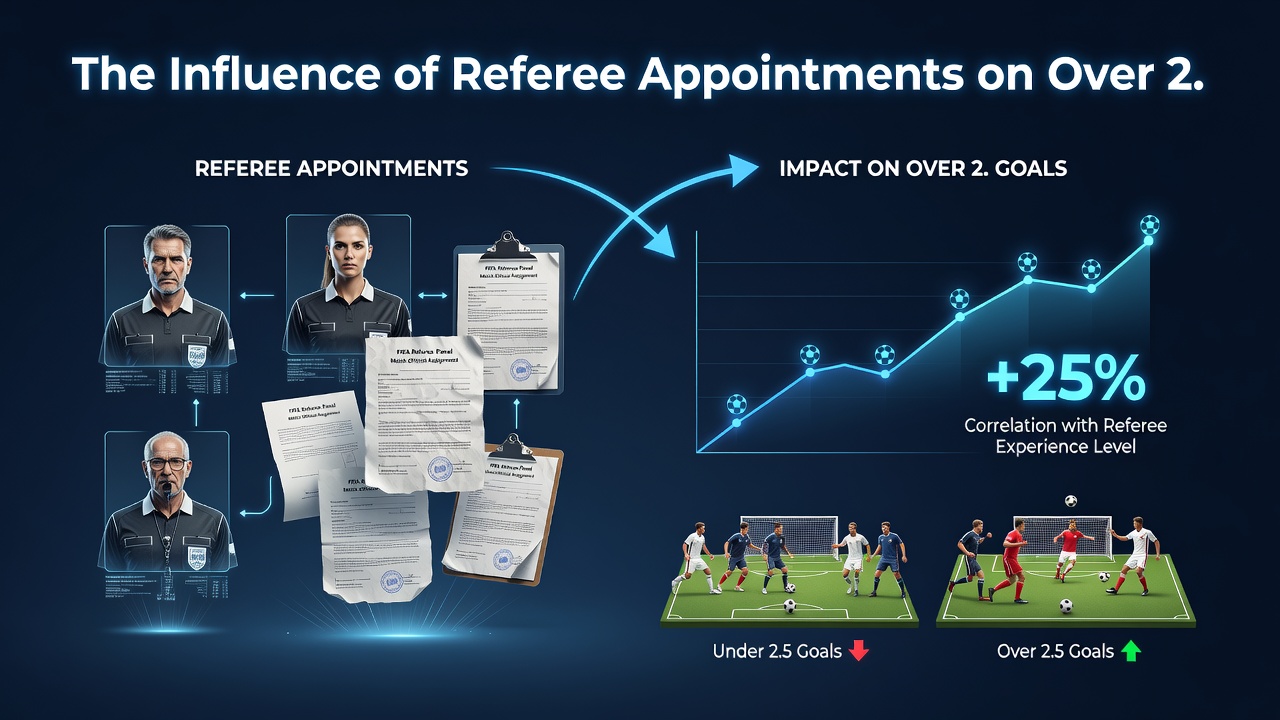
The Influence of Referee Appointments on Over 2.5 Goals in Football Matches
Referee appointments shape match outcomes through variations in card issuance, tolerance for physical challenges, and overall game tempo, factors that directly correlate with goal tallies across major leagues. Data from European competitions shows that officials with lower average card counts per game tend to oversee contests where attacking play continues with fewer interruptions, leading to elevated scoring rates in many instances.
Referee Styles and Their Measurable Effects
Observers note that referees fall into distinct categories based on historical performance metrics, with some consistently awarding more fouls and cautions while others permit greater physical contact before intervening. Studies compiled by league statisticians reveal that matches under lenient officials produce 2.7 goals on average compared to 2.3 under stricter counterparts, a pattern holding across thousands of fixtures tracked in the Premier League and Bundesliga. This difference arises because reduced stoppages allow teams to maintain momentum, creating more chances in open play rather than set pieces that often result from frequent whistles.
Those who've analyzed referee data over multiple seasons point to specific patterns in how appointments influence team strategies, as managers adjust tactics when they know a particular official will handle the game. Teams facing referees known for high card averages often adopt more cautious approaches to avoid suspensions, which can suppress forward movement and limit high-risk passes that lead to goals.
Statistical Patterns Across Competitions
Figures from domestic leagues demonstrate consistent correlations between referee profiles and over-2.5-goal results, with certain officials presiding over 58 percent of matches exceeding that threshold while others see only 42 percent. These variations stem from differences in added time allocation and tolerance for time-wasting, elements that extend effective playing time in games handled by faster-paced referees. Research from sports analytics groups indicates the effect strengthens in high-stakes fixtures where one side pushes for a result, amplifying the impact of any referee who keeps the ball rolling.
Take one dataset covering five seasons where experts tracked appointments in Serie A, and they discovered that referees averaging under three yellow cards per match contributed to a 12 percent higher incidence of games with three or more goals. The same analysis found that physical leagues like the Bundesliga show even stronger links, as referees there often allow more robust challenges without halting play.
August 2026 Season Outlook and Appointment Trends
With the 2026-27 campaign set to begin in August, governing bodies have released preliminary referee lists that include both experienced officials and newer appointments promoted from lower divisions. Early fixtures in that window often feature teams testing limits after the summer break, and data from similar periods shows referees who maintain consistent standards help sustain higher goal volumes as players regain match sharpness. Appointments announced for opening weekends include several officials with track records of low foul counts, a factor teams monitor closely when preparing lineups and formations.
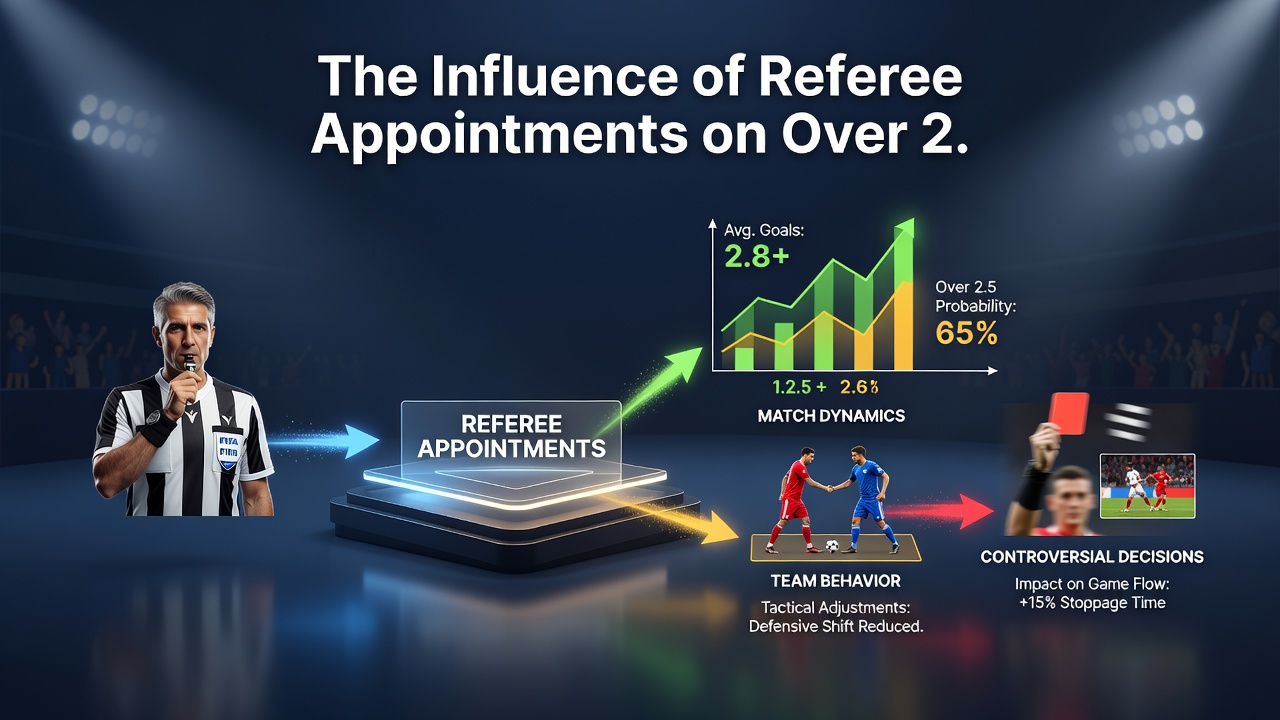
What's interesting here is how fixture schedules interact with these selections, since congested periods in late August place additional demands on officials who must balance discipline with flow. Historical records indicate that matches in the first month of seasons produce slightly elevated scoring averages when handled by referees who issue fewer cautions early on, allowing defensive lines to stretch without constant resets.
Case Examples from Recent Campaigns
One study released by a European sports research institute examined 1,200 matches and found referee-specific influences accounted for measurable shifts in expected goals, particularly when officials with distinct styles handled derbies or matches between attacking sides. In cases where a referee known for quick restarts took charge, teams recorded more shots on target because play rarely paused for extended periods. Conversely, appointments involving officials with higher intervention rates correlated with increased defensive organization and fewer transitions that produce goals.
Those tracking performance across borders note similar trends in the Eredivisie and Primeira Liga, where referee pools differ in average card totals yet produce parallel effects on scoring. Government sports agencies in Canada have also published reports on officiating consistency in domestic leagues, showing that standardized training reduces variance but does not eliminate style-based differences in game length and goal frequency.
Conclusion
Referee appointments continue to serve as a key variable in match analysis because their individual tendencies affect tempo, card distribution, and effective playing time in ways that accumulate across full seasons. Data from multiple sources, including UEFA technical reports and academic reviews published by university sports science departments, confirms these patterns hold after controlling for team strength and venue. As new appointments roll out for the August 2026 window, analysts will monitor whether established correlations between referee profiles and goal outputs persist or shift with evolving league rules. The evidence points to referee selection as one measurable factor among several that shape whether matches trend toward higher or lower goal totals.